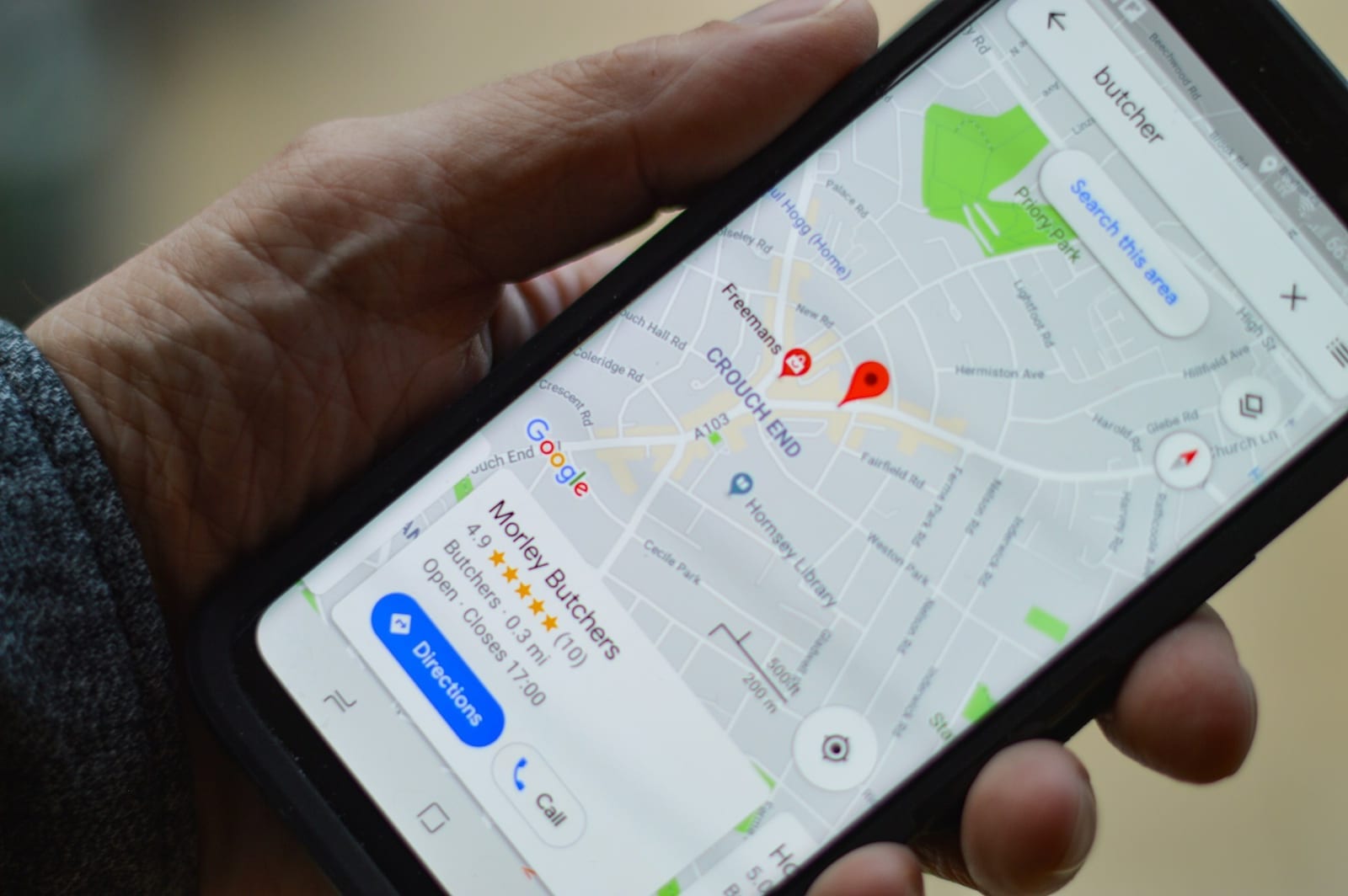
If you are a plumber in Leeds, an electrician in Bristol or a dentist in Glasgow, there is a good chance more people see your Google Business Profile than ever reach your website. They search, they see the map, they read the reviews, they tap the phone number. The website never enters it.
This is not a reason to skip having a good website, because the profile links to it and Google reads it to decide what you do. It is a reason to stop treating the profile as a box that got ticked in 2019.
Categories are the setting people never revisit
Your primary category has more influence over what you appear for than almost anything else, and most businesses picked one when they first claimed the listing and have not looked since.
The mistake is choosing something broad. "Contractor" feels safe and is far weaker than "Bathroom remodeler" if bathrooms are what you do. Google matches specific searches to specific categories, and a broad category competes with everyone.
Add secondary categories for genuine services, and leave off the ones you would technically accept but do not want. Every category you add is a claim about what you do, and being everything to everyone ranks for nothing.
Reviews, and the reply nobody writes
Reviews matter for ranking and they matter more for whether someone calls. Two things about them are consistently underused.
Ask at the right moment. The best time is immediately after the job, in person, while the customer is happy and standing in front of you. Not a week later by email. A simple "would you mind leaving a review, it genuinely helps" while they are pleased converts far better than any automated follow up.
Reply to all of them. Including the good ones, briefly. It signals an active business, and it gives you a natural place to mention what the job actually was, which Google reads.
For a bad review, reply once, calmly, factually, offering to resolve it offline. You are not writing for the person who left it. You are writing for the next twenty people who read it.
Service areas versus an address
This trips up trades constantly. If customers come to you, use an address. If you go to them, set a service area and hide the address, especially if it is your home.
The temptation is to set a service area covering half of England. Resist it. A tight, honest service area performs better than an inflated one, because Google weighs proximity heavily and an implausible radius reads as exactly what it is.
Photos, which do more than people think
Profiles with real photographs get meaningfully more engagement. Not stock images, not your logo eleven times. Actual work, before and after, your van, your team, the premises.
Add them regularly rather than once. A profile with photos from this month reads as a business currently operating. One with photos from 2021 raises a question you do not want raised.
Where the website earns its keep
The profile gets the click. The website decides what happens next, and it is also where Google confirms what you do.
Two things matter most. Your name, address and phone number should be identical on the site and the profile, down to the formatting, because inconsistency is a genuine ranking problem. And you should have a real page for each main service rather than one page listing everything, since a specific search deserves a specific page. That is covered in technical SEO.
What to do this week
- Review your primary category. Make it more specific.
- Check your address matches your website exactly.
- Add ten photographs from recent work.
- Reply to every review you have not replied to.
- Ask your next three customers in person.
None of that costs anything and it usually shows within a few weeks. It is the cheapest marketing available to a UK trade, and it is sitting there half finished on most profiles.
See how we work with UK businesses, or get in touch if you want the website side pulling its weight too.
Building something in the UK?
United Kingdom — We design and build fast, search-ready websites and AI customer experiences for ambitious UK businesses. GDPR-conscious, accessible, and built to rank — with a fixed quote and senior people from first call to launch.
What we do in the UK