There is a version of Arabic support that costs almost nothing: run the site through a translation plugin, add a language toggle, tick the box. It is also the version that does more damage than shipping in English alone.
An Arabic speaking customer can tell within one sentence whether a human wrote it. When the answer is no, the message they receive is that you wanted the appearance of serving them without the effort. That is a worse first impression than a site that simply never claimed to.
Right to left is not a mirrored layout
The common assumption is that Arabic support means flipping the design. Most of it does flip. The exceptions are what separate a considered build from an automated one.
- Directional icons flip. A "next" arrow points the other way, because next is now to the left.
- Object icons do not. A telephone, a shopping basket or a clock stays as it is. Mirroring those just makes them look broken.
- Numbers stay left to right. So do Latin brand names, email addresses and phone numbers, sitting inside a right to left sentence. Browsers mostly handle this, and mostly is not always.
- Logos usually stay put. A wordmark in Latin script does not become a mirror image of itself.
Any of these getting missed is instantly visible to a native reader and invisible to everyone signing the project off.
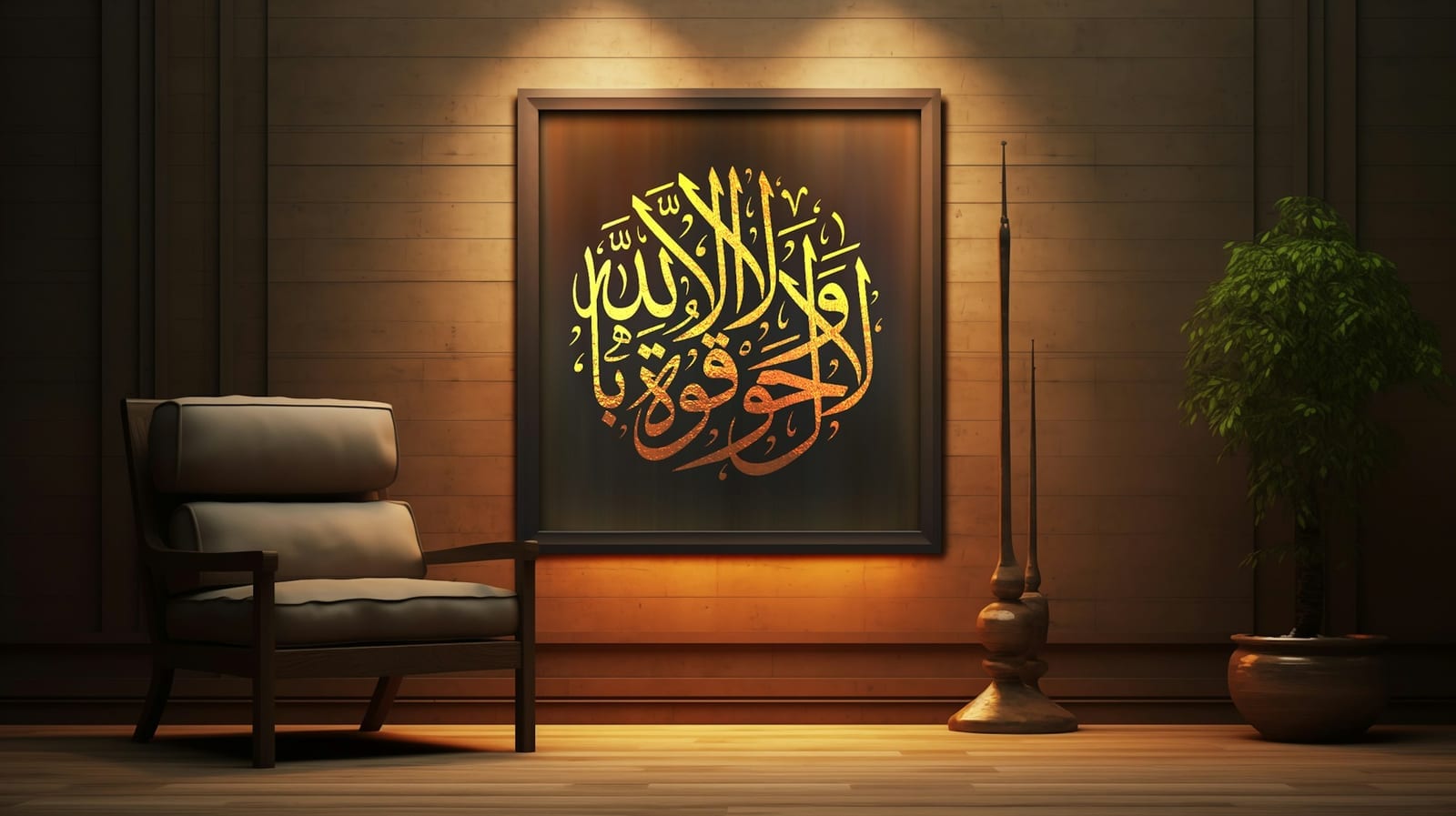
Arabic type needs its own decisions
Arabic script has no capital letters, connects between characters, and carries its weight differently on the page. A font size that reads comfortably in English often looks cramped in Arabic, and line height that felt generous now feels tight.
This means the Arabic version needs its own type scale rather than inheriting the Latin one. It is a small amount of work if planned, and a rebuild if discovered late.
Translation is a writing job
Marketing copy does not translate literally. A headline that works in English usually needs rewriting in Arabic rather than converting, because the thing that made it good was rhythm or wordplay that does not survive the trip.
The other decision is register. Modern Standard Arabic reads formal and professional and works across the region. Gulf dialect reads warmer and more local but narrows your audience. Neither is wrong. Choosing without thinking about it is.
The technical parts that get forgotten
Two things fall through the cracks even on carefully built bilingual sites.
Hreflang tags. These tell search engines that two URLs are the same page in different languages. Without them Google may treat your Arabic pages as duplicates or serve the wrong version. It is a few lines of markup and it is the difference between your Arabic pages ranking and not existing. This sits inside technical SEO.
Forms and confirmations. The website flips beautifully and then the enquiry confirmation email arrives in English, from a system nobody translated. So do error messages, date pickers and the thank you page. Customers notice the seams.
So do you actually need it
Honestly, often not, and a good partner should tell you that.
If you sell business to business to multinationals in the free zones, English is the working language and Arabic is optional. If you sell to consumers, to family owned groups, or to anything touching government, Arabic is not decoration and its absence is noticed.
If you are unsure, look at where your enquiries already come from. That answers the question faster than any survey.
A sensible way to phase it
Ship English first, built with Arabic in mind. That means the layout is tested against right to left from the start even if only one language is live, and the content structure does not assume English word lengths.
Then add Arabic as a deliberate phase with a translator and a design pass. You will spend less than doing both at once badly, and considerably less than retrofitting a site that was never built for it.
See how we work with UAE businesses, or send us your site and we will tell you what adding Arabic would actually involve.
Building something in the UAE?
UAE — We design and build fast, search-ready websites and AI-powered customer experiences for ambitious businesses in Dubai, the wider UAE, and across the Gulf. Fixed quotes, senior people on every project, live in weeks — not months.
What we do in the UAE